

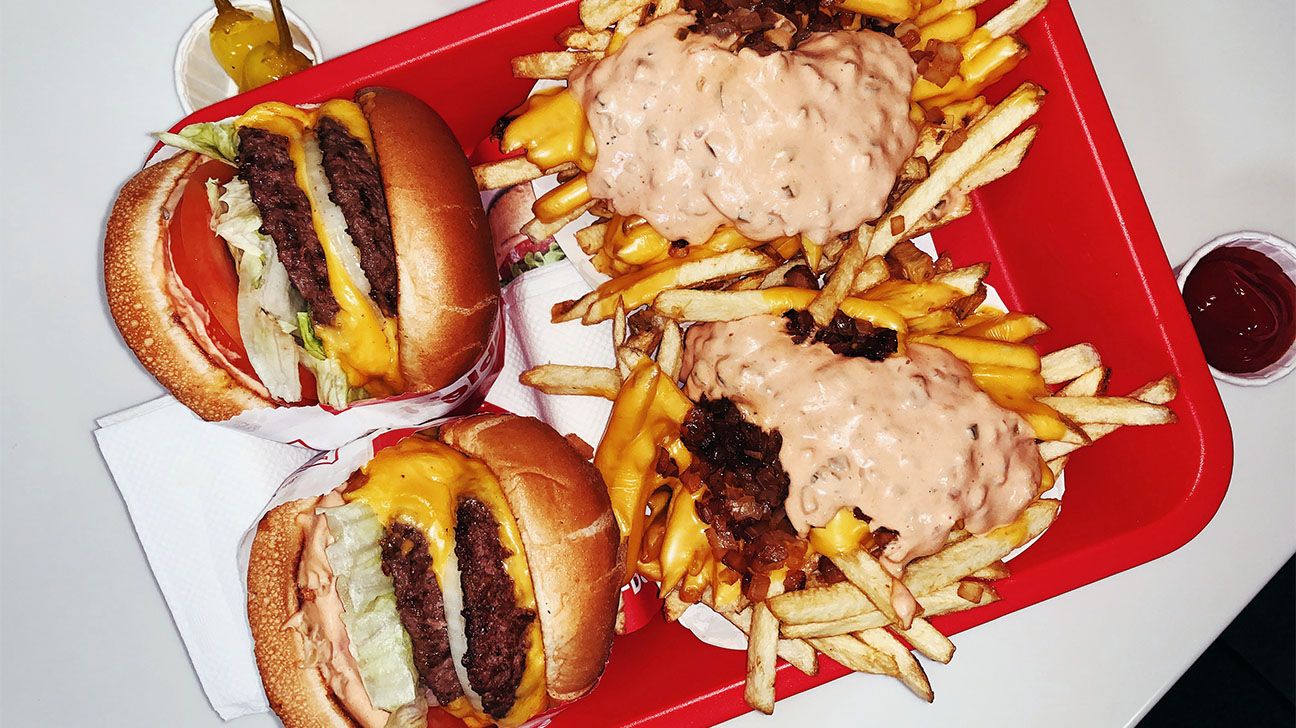
- A new review concluded that highly engineered consumables are potentially just as habit-forming as tobacco products.
- Scientists discovered that these foods are designed to maximize pleasure and speed up the absorption of reinforcing ingredients.
- The habit-forming quality of these foods means they drive compulsive consumption and disrupt natural hunger cues.
- The review authors propose that UPFs should be subject to regulations similar to those for tobacco products.
At present, there is no single standardized definition of ultraprocessed foods. Some people classify them as foods that include ingredients you would not typically use in a personal cupboard, such as emulsifiers and artificial substances.
Numerous experts use the NOVA food categorization to define ultraprocessed foods. This talks about foods that contain “combinations of ingredients, mostly of exclusive industrial use, often produced by a set of factory processes and processes.”
A recent paper published in The Millbank Quarterly suggested that UPFs are potentially as addictive as cigarettes.
“I agree with this study, as UPFs are specifically engineered to be highly appealing to many consumers,” noted a bariatric surgeon not affiliated with the study.
Research from 2023 calculates that over 73% of the food supply in the America is classified as ultraprocessed.
“Tobacco and UPFs are not simply natural products but carefully designed delivery systems engineered deliberately to maximize biological and psychological reinforcement and repeated intake,” wrote the new study’s research team.
Are UPFs Addictive?
The review combined insights from substance use, historical health policy, and dietary science to pinpoint sensory and structural characteristics that enhance the reinforcing potential of both tobacco and UPFs.
“Not everyone is ‘addicted’’ to such products, but for a significant portion, they elicit classic habit-forming behaviors: strong cravings, loss of control, and continued use even with harmful consequences,” explained a heart health nutrition expert.
“These foods are intentionally designed with refined carbs, extra oils, sodium, and taste additives to maximize pleasure and ongoing intake, and the industry uses persuasive advertising strategies, especially aimed at children,” she stated.
Scientists examined several important factors:
- rapid absorption
- hedonic engineering, or creating products to be extremely pleasurable
- perfecting the amount
- widespread availability
- misleading changes, or “wellness branding”
It was observed that, like cigarettes, ultraprocessed foods are fine-tuned to deliver the optimal amount of sweetness.
“Processed carbs trigger the feel-good chemical release through the a key neural pathway, whereas lipids do so via fat detection in the gut,” the researchers explained.
“… UPFs with high levels of processed carbs and extra oils are among the most potently rewarding substances in the modern diet. Notably this refined carbohydrate-fat combination is almost nonexistent in nature.”
The way such products rapidly introduce “pleasure-inducing” chemicals to the brain makes them potentially addictive, in a comparable way to tobacco.
The paper explained that while cigarettes are engineered to provide the addictive compound quickly, UPFs are engineered to be broken down and absorbed quickly, as they typically have minimal fiber. This allows for the body to metabolize lipids and carbohydrates more quickly.
The researchers also point out that ultraprocessed foods provide intentional flavor bursts that dissipate rapidly and mouthfeels that melt in your mouth. This collectively works to trigger increased pleasure signals and encourages you to consume additional amounts.
‘Wellness Branding’ in Tobacco, Ultraprocessed Foods
According to the analysis, both the cigarette and food industries have historically employed a strategy called “health washing.”
This refers to where products are marketed and reformulated to create an illusion of reduced harm while preserving the essential of their qualities.
Health washing in the cigarette sector became popular in the 1950s with the advent of filters on cigarettes.
These were marketed as protective innovations that would trap harmful substances prior to they reached the lungs. The truth is, these tips provide minimal meaningful protection.
However, people often adjusted by taking bigger puffs or increasing consumption, which negated any decrease in toxin exposure.
Food manufacturers has taken a similar approach. It employs packaging claims like “reduced fat” or “no sugar added” to market ultraprocessed foods.
Yet, these items still contain the very addictive formulations. The issue is that these reformulations present a surface-level impression of wellness while the item’s addictive structure and health risks persist unchanged.
Ought Ultraprocessed Foods Face Controls?
The researchers stated at the end of their review that nourishment and tobacco are not the same thing.
Nevertheless, they warned that some ultraprocessed foods function like highly optimized products rather than actual food. They recommended that health regulations ought to acknowledge this reality.
“Cigarettes offers a cautionary tale, and tobacco control offers a model of hope,” the researchers stated.
Due to policies, smoking rates in the US have fallen and have “altered cultural views of smoking and eroded trust in the sector.”
“I believe greater education about the harmful effects of UPFs is crucial to reduce public intake and enhance public health. The strategies used to curb tobacco use have been successful and could be a helpful blueprint for ultra-processed foods as well,” said one expert.
“It is not my view UPFs ought to be controlled exactly like cigarettes, but they do warrant more robust, tobacco-inspired policies: advertising limits, clear packaging warnings, stricter rules on health claims, and limits in educational institutions or medical facilities,” added another nutrition professional.
The authors pointed out to people that lightly altered and whole foods have sustained human health for millennia.


